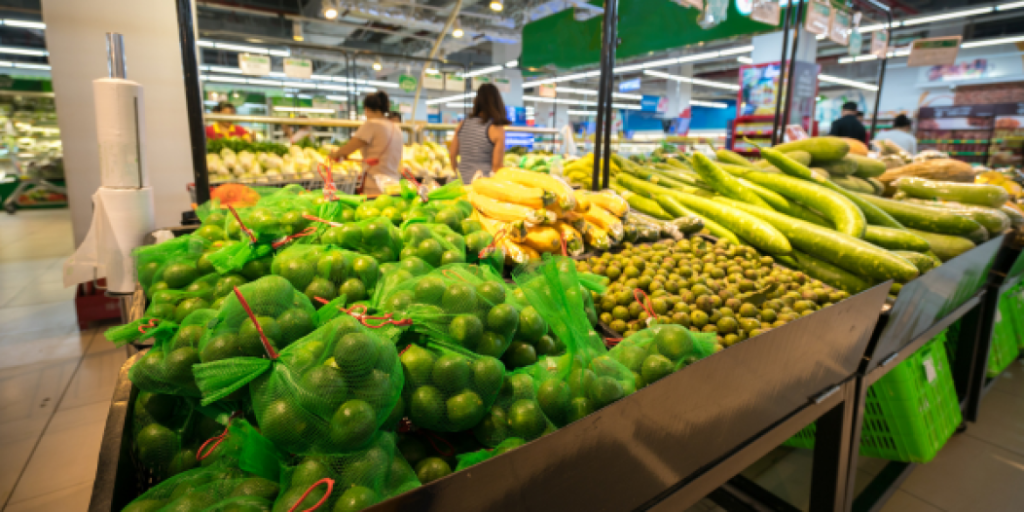

Ozone is increasingly used in fresh food preparation due to its ability to safely extend shelf life and maintain quality. When applied in cold rooms or refrigerators, ozone gas provides a natural, “organic” alternative to chemical treatments like chlorine dioxide or formaldehyde, allowing products to retain an organic label. It helps control fungus, mould, bacteria, and ethylene, dramatically reducing the spread of germs on meats, fish, fruits, and vegetables, while preventing bacterial slime from growing on produce and refrigeration surfaces that can lead to cross-contamination.
By eliminating ethylene — a plant hormone that accelerates ripening and aging in leaves, flowers, and fruit — ozone slows spoilage and preserves freshness. It also neutralises residual herbicides such as linuron, which, if left on vegetables like baby carrots, can render a shipment unsellable. In addition, ozone prevents the growth of cockroaches and other insects, controls mould in high-condensation environments like cheese ripening or sausage curing, and curbs the proliferation of pathogens such as Salmonella in grain storage.
Its application extends to fungus prevention, odour control, and even mitigating viral contamination; for example, during the Covid-19 crisis, ozone helped address viral residues on packaged meat surfaces. Ozone is also commonly used in shipping containers, combined with carbon dioxide, temperature, and humidity monitoring, to maintain a controlled, safe environment for transporting fresh fruit and vegetables.