Water · Mining · Nanofiltration for boiler water and site water
Industry: Platinum mining
Treatment technology: AFM filtration, nanofiltration membranes and chlorine dosing for disinfection, with an online monitoring system
Project snapshot
| Client | Eastplats Crocodile Mine |
| Location | Crocodile River Mine, Brits area, North West, South Africa |
| Industry | Platinum mining |
| Pillar | Water |
| Application | Nanofiltration water treatment for boiler water and site water, as an alternative to salt-regenerated softening |
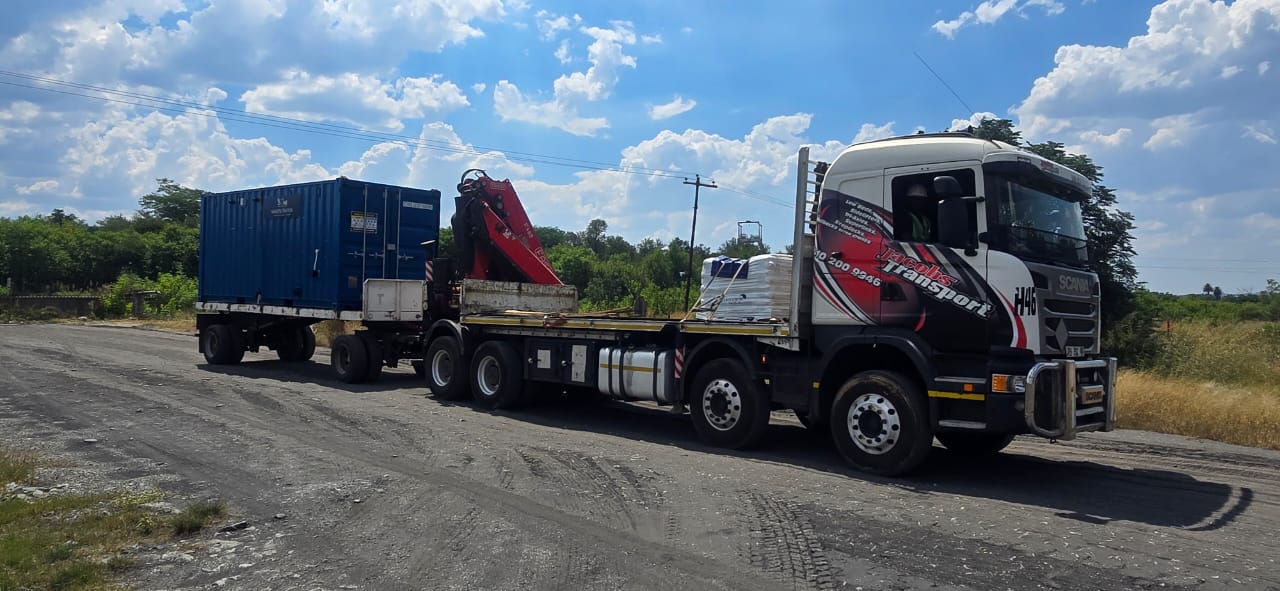
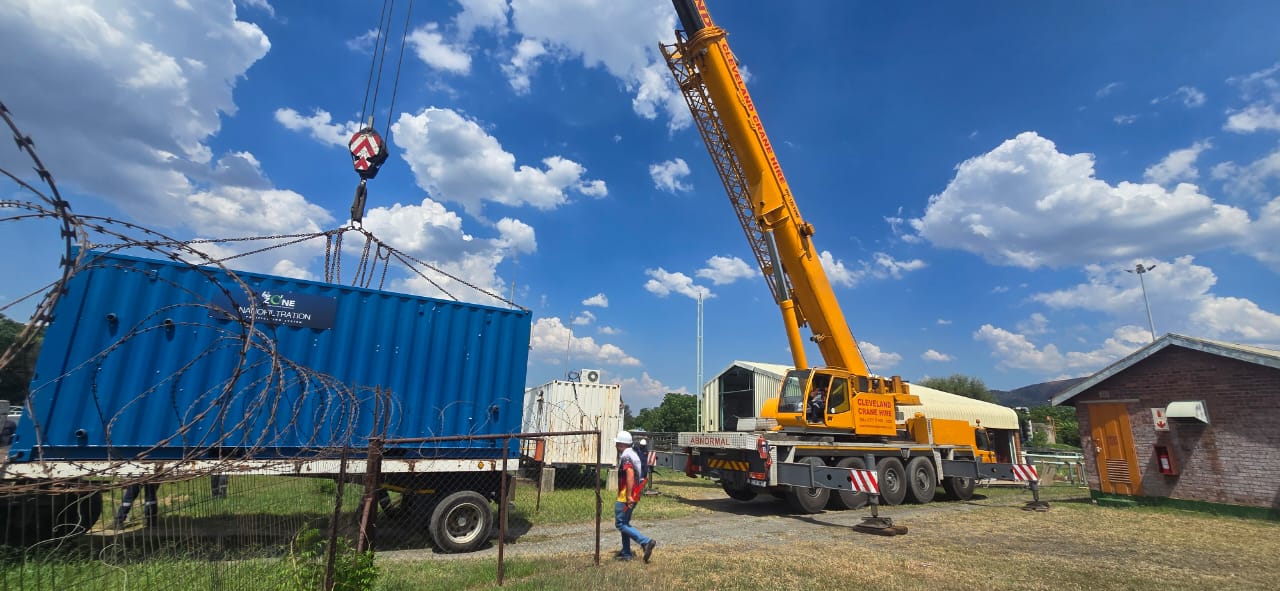
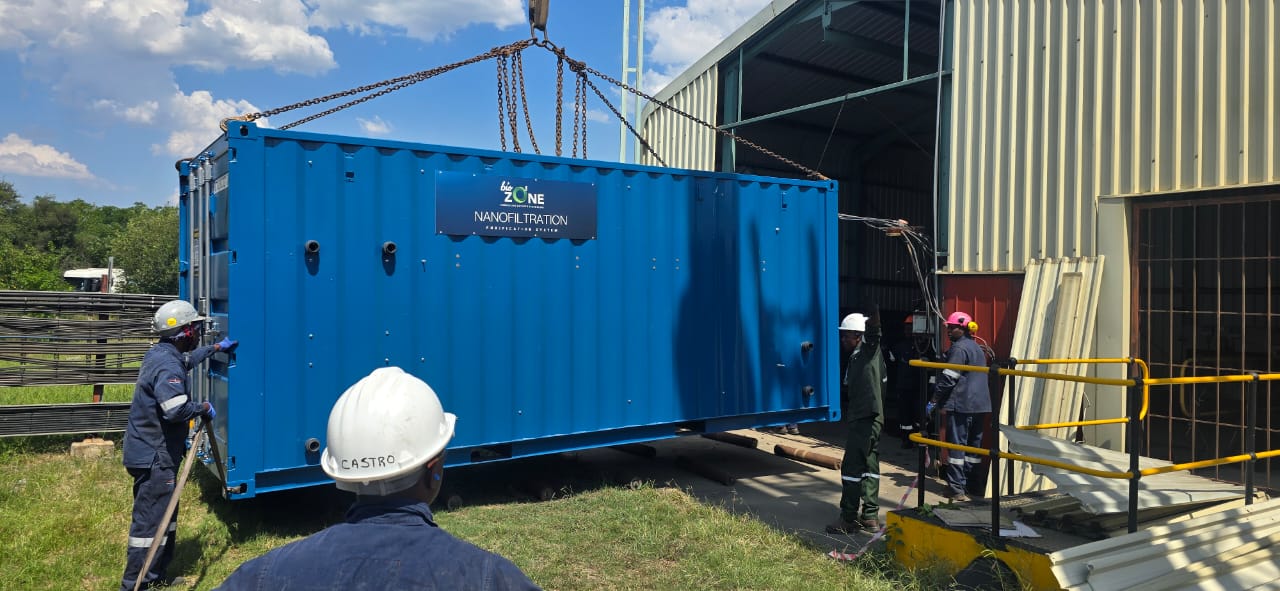
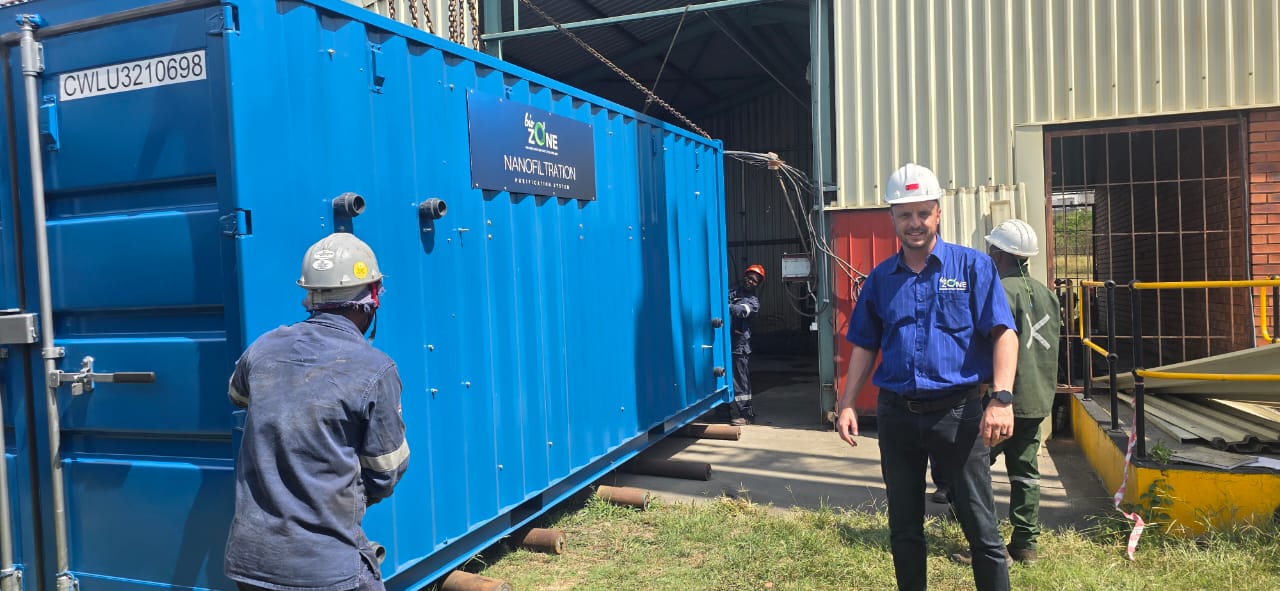
| Plant | Containerised nanofiltration plant, designed for 12 kL/h |
| Treatment technology | AFM filtration, nanofiltration membranes and chlorine dosing for disinfection |
| Raw water | Hardness identified as the main problem; total hardness 600 mg/L |
| Monitoring | Online monitoring of produced water quality, borehole volume and tank levels |
The challenge
At Eastplats Crocodile Mine (Crocodile River Mine, Brits area, North West), a water analysis showed that hardness was the main problem with the raw water. The site needed softened water for its boilers and drinking water for the site. Conventional softening uses salt, which has to be sourced, transported and stored, and produces brine that has to be disposed of.
The solution
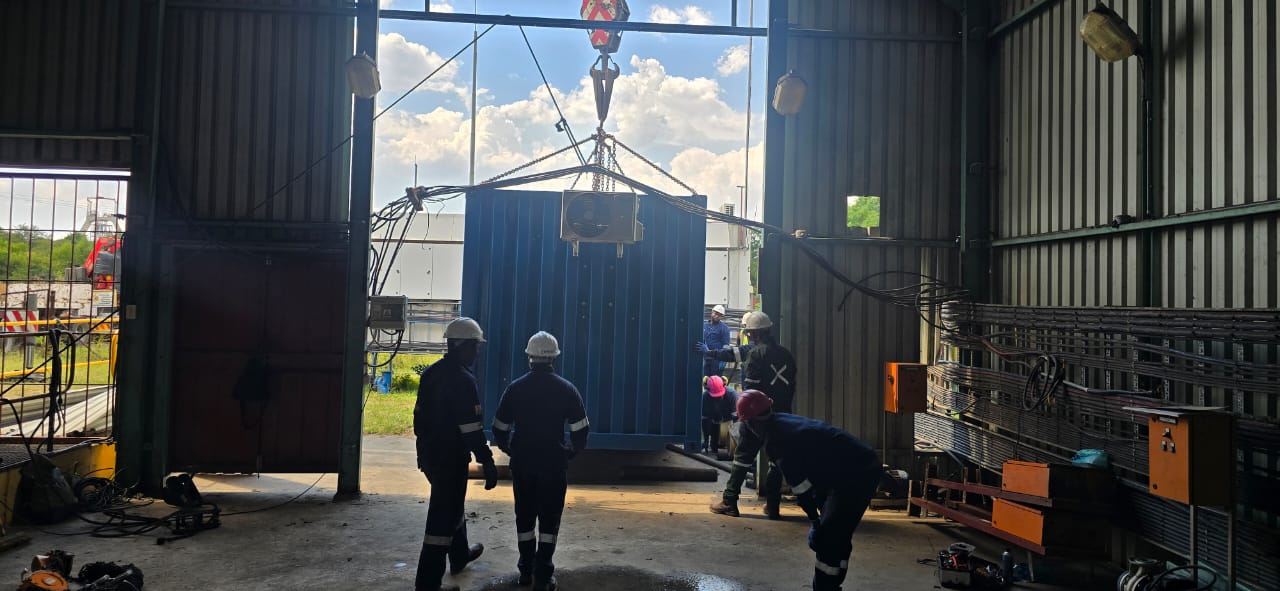
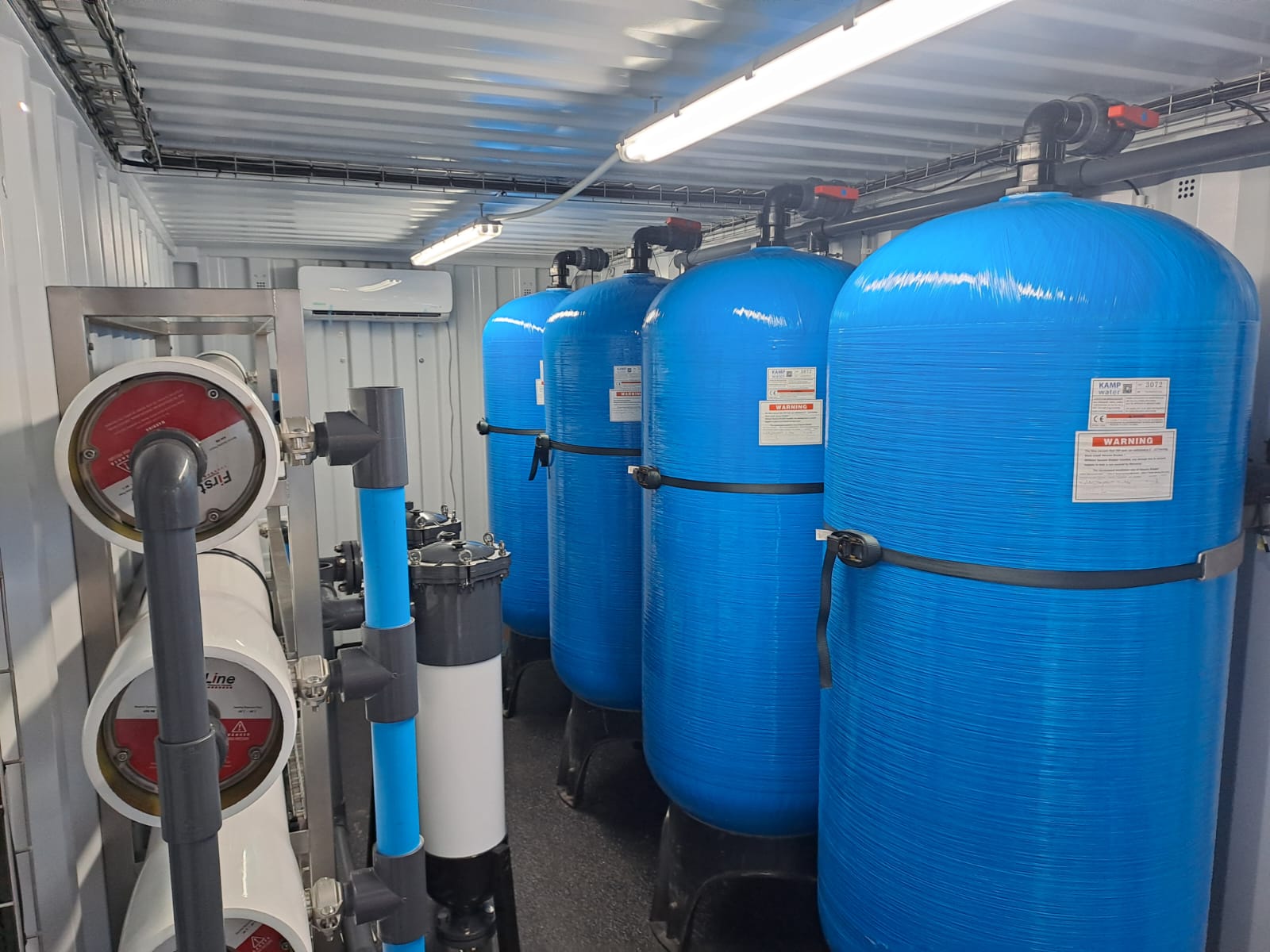
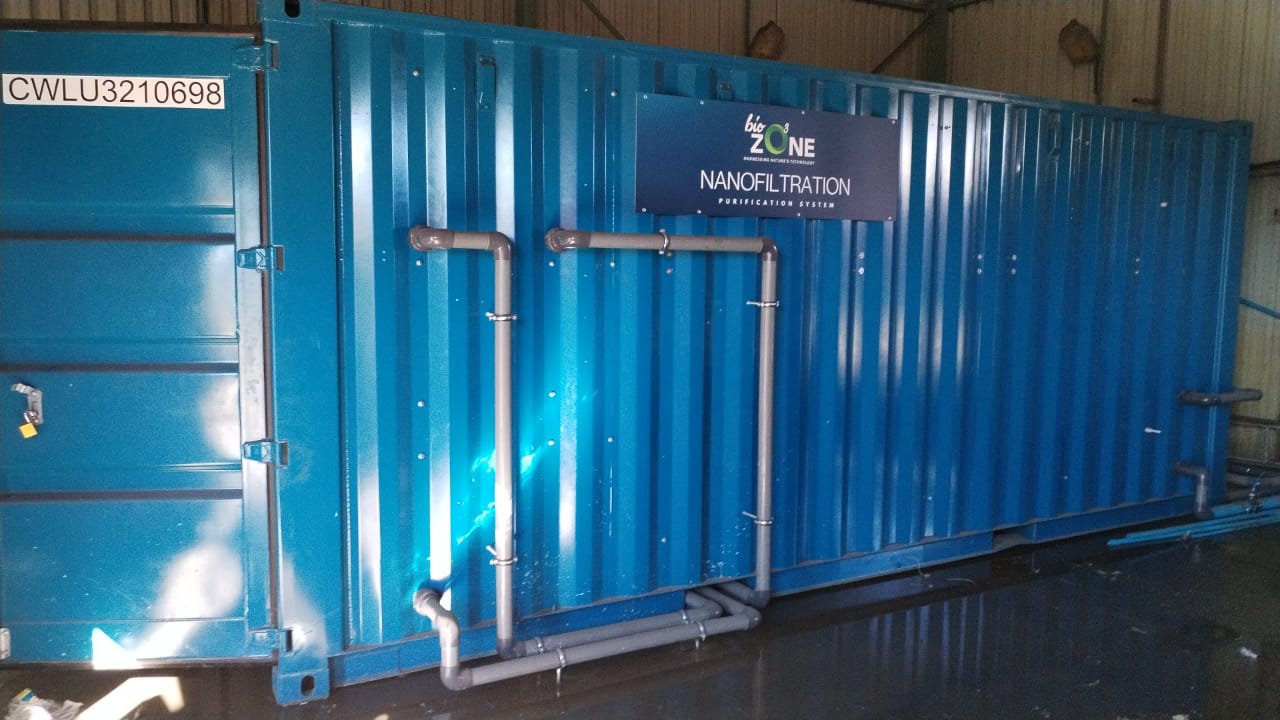
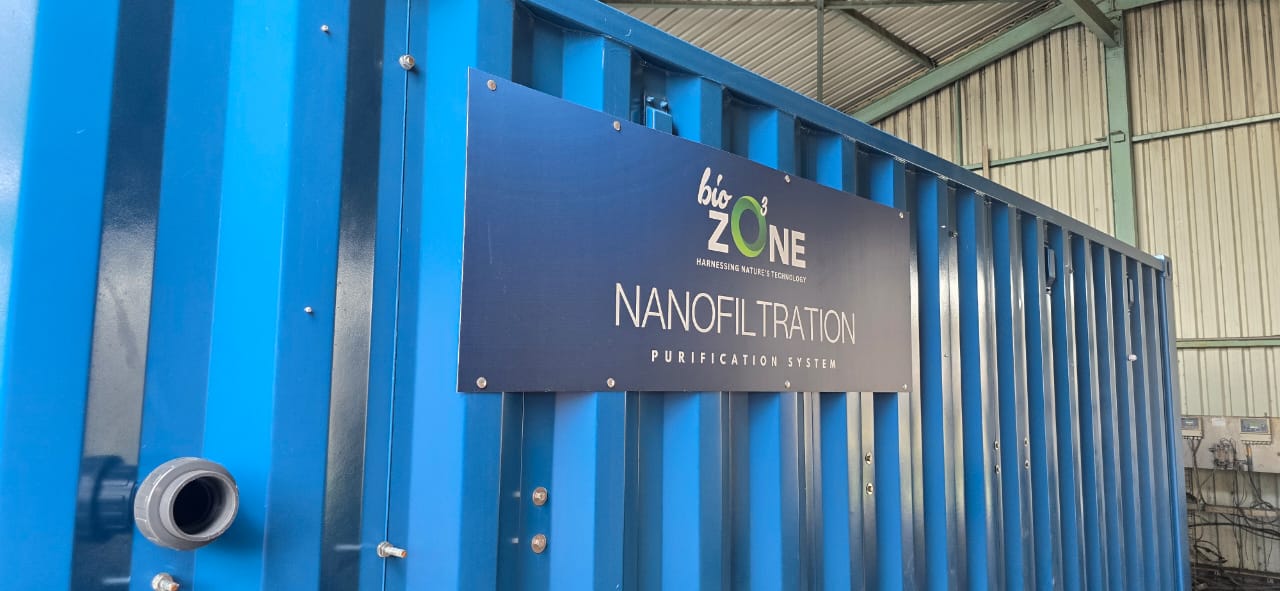
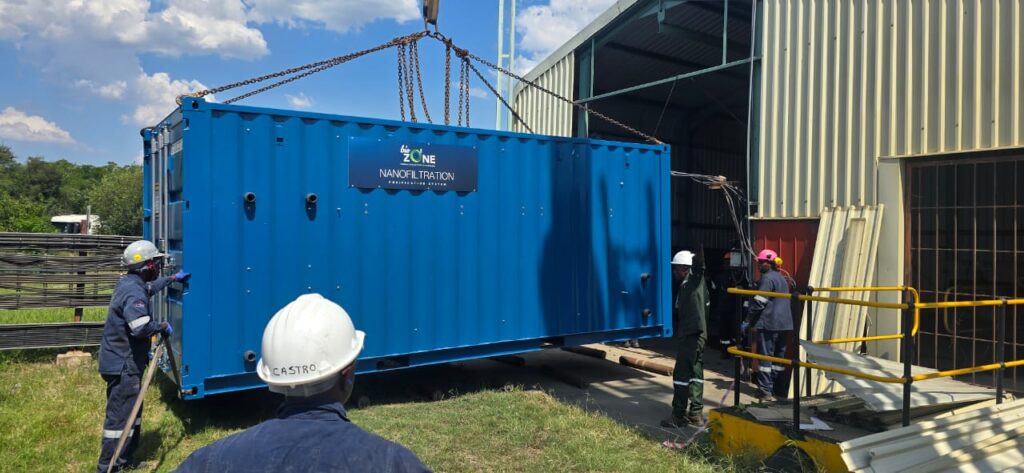
Eastplats Crocodile Mine uses a containerised nanofiltration plant, designed, manufactured and installed by Biozone, as an alternative to salt-regenerated softening. The plant is designed for 12 kL/h.
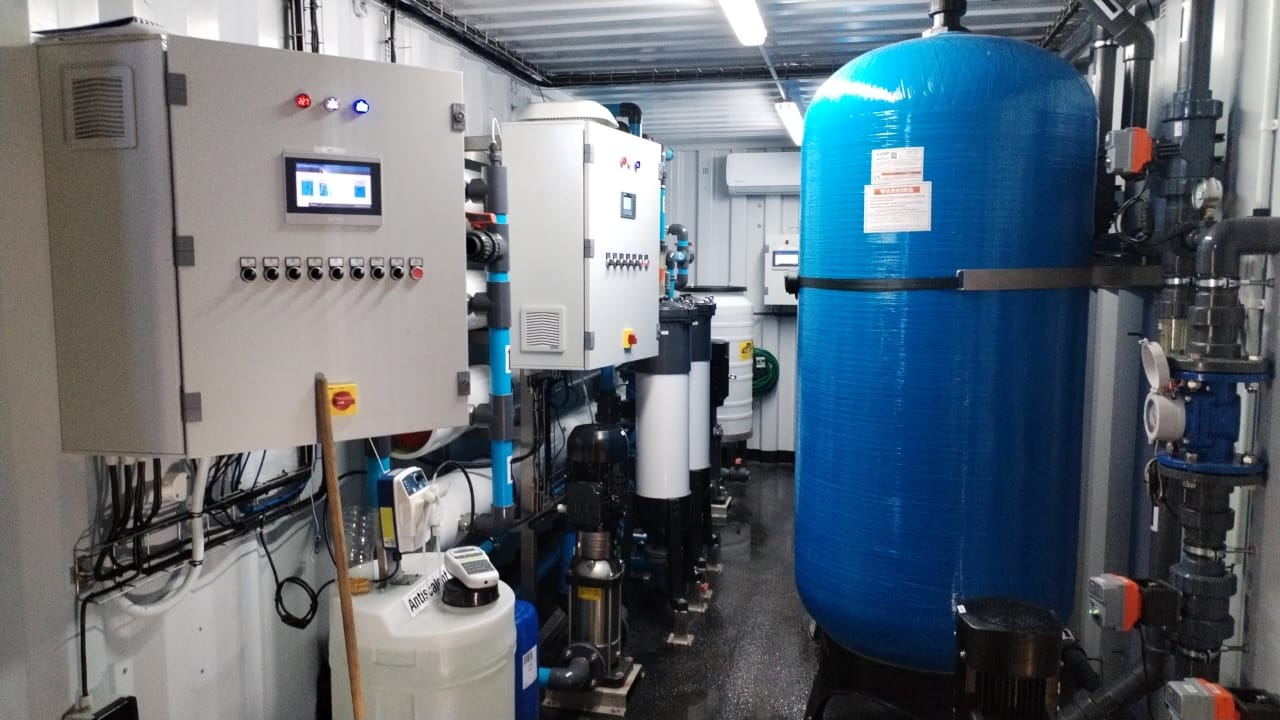
- Filtration: AFM filtration, designed to remove suspended solids and biostatic material.
- Nanofiltration: a semi-permeable membrane with associated pumping, designed to remove salts.
- Disinfection: a chlorine dosing system, designed to disinfect the water.
- Monitoring: an online monitoring system for produced water quality, borehole volume and tank levels.
- Format: a containerised plant.
Client benefit
The plant is designed to reduce hardness in the raw water and to support the mine’s treated-water supply. The plant is designed to treat water at 12 kL/h to meet WHO drinking-water guidelines and SANS 241 limits for the site’s drinking water.
Comparison with salt-regenerated softening
The figures below compare two salt-regenerated softener scenarios sized for 12 kL/h at a raw-water total hardness of 600 mg/L. The nanofiltration plant is designed to avoid the need for salt-regenerated softening.
| Softener scenario | 12 hours a day | 16 hours a day |
|---|---|---|
| Water treated | 144 kL a day | 192 kL a day |
| Total hardness to be removed | 86.4 kg a day | 115.2 kg a day |
| Softening resin (one regeneration a day) | 1,570 L | 2,100 L |
| Salt consumption | 185 kg a day | 250 kg a day |
| Cost of salt | R4,500 a day, R135,000 a month | R6,000 a day, R180,000 a month |
The figures describe the salt-regenerated softener scenarios only.
For the two scenarios above, the salt flushed down the drain from a softener system is estimated at 70-90 tonnes a year.
Sustainability
Nanofiltration has the potential to reduce reliance on externally supplied water. The plant is designed to avoid the need for salt-regenerated softening.
Design basis
- Containerised nanofiltration plant, designed for 12 kL/h
- AFM filtration, nanofiltration membranes with associated pumping, and chlorine dosing for disinfection
- Online monitoring of produced water quality, borehole volume and tank levels
- Design objectives: low power consumption, low flux through the pre-filtration, long-life filter media and a predicted 80% reduction in hardness
Talk to us
Looking at nanofiltration for hard water or boiler feed water? Request an application assessment with a Biozone engineer. It’s free.
Request an application assessment with a Biozone engineer
Related
[email protected]
+27 67 972 2169
+27 11 791 4403
www.biozone.co.za
Unit 2, Northlands Production Park,
Epsom Avenue,
Hoogland,
Randburg 2162
Biozone Manufacturing (Pty) Ltd · A South African engineering company · 25 years in business
Harnessing Nature’s Technology