WRIGHT, I. (2026, February 9). Principles and application methods for ozone disinfection. Biozone Manufacturing. Retrieved February 9, 2026, from www.biozone.co.za
Ozone is a powerful disinfectant effective against bacteria, endospores, viruses, and fungi.
It also destroys botulinum toxin and Bacillus subtilis.

Effective sterilisation through Oxidative Destruction
The principle and process of sterilisation are based on a biochemical oxidation reaction in which ozone oxidises and decomposes glucose oxidase, which is essential for bacterial survival.
Ozone also disrupts bacterial and viral cell membranes, Zymo proteins, and sulfur bases, leading to the decomposition of RNA or DNA.
Additionally, ozone dissolves proteins and lipids, supporting effective sterilisation and bacteriolysis.
Applications
Air Disinfection
Ozone is highly effective against airborne microorganisms and is commonly used for indoor air disinfection.

Air Disinfection
Disinfection Method
Close all windows before starting ozone disinfection, and vacate the room once the ozone generator is activated.
The doors Keep doors and windows sealed for the required disinfection period, typically less than 60 minutes.is, the device can be turned off, and a period of 30-60 minutes should be left before re-entry to ensure safety.
Ozone Concentration and Action Period
Maintain ozone levels below the safe threshold to prevent damage to indoor items.
Maintain indoor relative humidity between 75% and 95% and a contact time of at least 30 minutes for effective sterilisation.
For example, 20 mg/m³ ozone for 30 minutes can achieve over a 90% bacterial kill rate, highlighting the importance of correct concentration and timing.
Ozone Concentration and Action Period
Resistant microorganisms, such as endospores, fungi, hydrophilic viruses, and tubercle bacilli, require higher ozone concentrations and longer contact times.
Disinfection is more effective at lower temperatures and relative humidity, allowing for reduced ozone concentration and contact time.
Surface Disinfection
Ozone gas is heavier than air and tends to settle near the floor during air applications.

4
Ozone surface disinfection is suitable for fabrics, glassware, stainless steel, enamel, ceramics, plastics, wood, and various containers or pipelines.
Disinfection Requirements
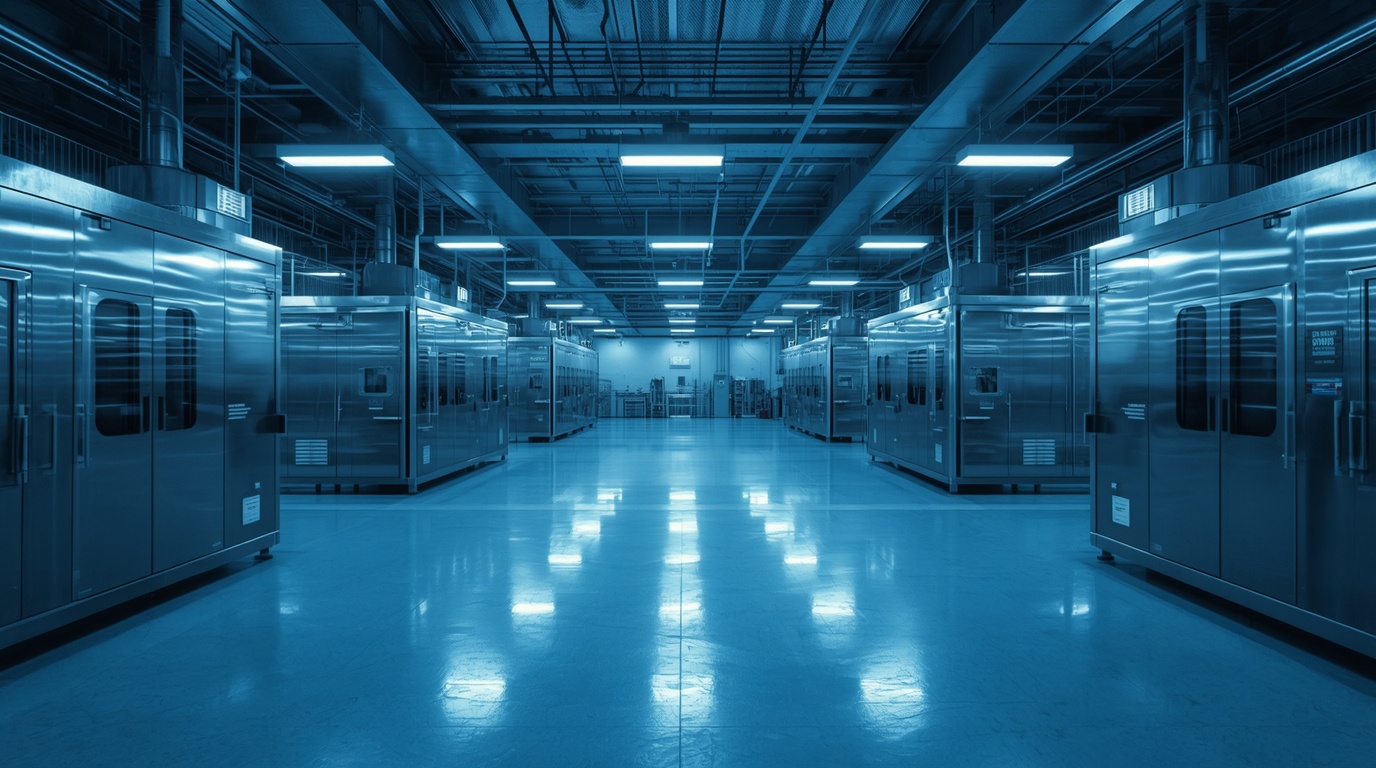
Ozone disinfection requirements vary by container type, such as boxes, cabinets, or bags.
Apply oxidation-resistant seals around cabinet doors to prevent ozone leakage. Arrange materials inside the cabinet to avoid overlap and eliminate dead corners.
Seal ozone disinfection bags to prevent leakage.
Thoroughly clean items to remove oil, organic matter, and salt before disinfection.
Proper cleaning ensures ozone can reach microorganisms, highlighting the importance of preparation for safe and effective surface disinfection.
High ozone concentrations used for surface disinfection are generally unsuitable for rubber products.
Inspect and repair disinfection cabinet seals if any leaks are detected.
- Place items to be disinfected into the container.
- Start the disinfection process and run for the preset time. Do not open the door immediately after the device is turned off.
- After the specified shutdown period, open the door and remove the items.
Ozone Concentration Requirements
Disinfection by ozone gas.
High ozone concentrations used for surface disinfection are generally unsuitable for rubber products.
Inspect and repair disinfection cabinet seals if any leaks are detected.
Ozone will kill microorganisms on the surface of the goods.
For example, to achieve the desired disinfection effect, use 60 mg/L ozone at a relative humidity of at least 70% for 6 to 10 minutes.
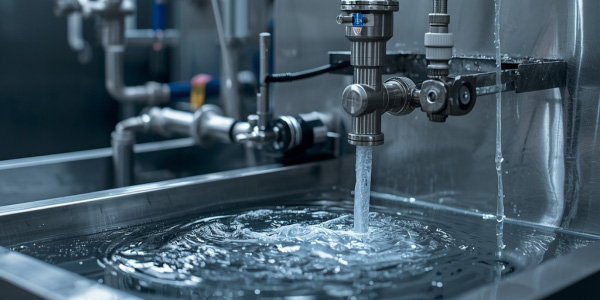
Disinfection by ozone water.
An ozone concentration in water above 18 mg/L requires a contact time of more than 10 minutes.
For drinking water, the optimal dissolved ozone concentration is 0.5 to 1.2 mg/L with a contact period of at least 10 minutes.

Disinfection by Ozone Water
Ozone water is used in hotels to disinfect clothes, hats, masks, bed sheets, and quilt covers, providing effective sanitation for washed item.
Ozone is also widely used in industry to disinfect bottling lines and bottles, offering an alternative to chemical disinfectants that may leave a residual taste.