
Water treatment systems almost never run under perfect, unchanging conditions. In reality, the quality of source water changes, operational needs shift, and environmental factors introduce variability that can put real pressure on treatment performance. Factors such as seasonal changes, borehole differences, mineral content, and shifting production needs all influence system performance over time.
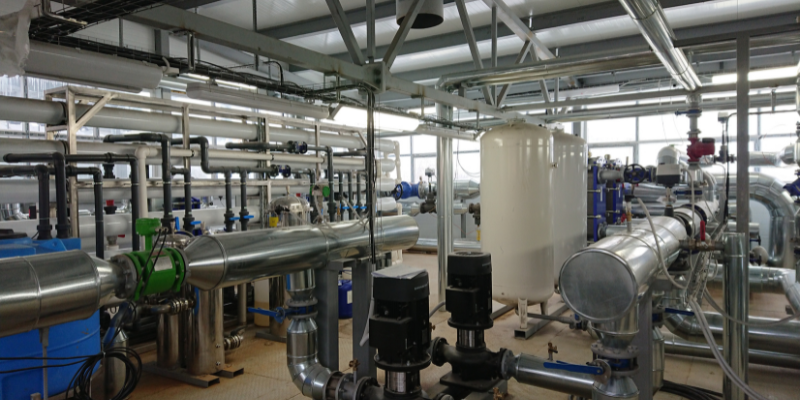
That’s why good water treatment design starts with careful analysis.
The Problem With Designing for “Average” Conditions
Many treatment systems are designed around expected or average water quality. While this might look fine on paper, it often causes problems in real-world use.
How well a water treatment system works depends not just on what’s in the water, but also on how those qualities change over time. A water source that seems easy to manage in one test can act very differently when seasons, operations, or the environment change.
If a system is designed based on assumptions instead of real data about variability, it can lead to:
- Unstable output quality
- Increased fouling or scaling
- Reduced treatment efficiency
- Unplanned maintenance
- Higher chemical demand
- Shorter equipment life
- Recurring compliance risk
In short, the real question isn’t just if a system can treat water once, but if it can keep doing it reliably as conditions change.
Real-World Variability Is Normal
Water sources are always changing. Variability isn’t unusual; it’s the normal situation.
Seasonal fluctuations
Rainfall, drought conditions, runoff patterns, and temperature changes can all affect source water chemistry. Suspended solids, microbial load, colour, conductivity, and organic content may vary significantly across seasons.
Borehole variability
People often think borehole water is stable, but that’s not always true. Mineral levels can change, iron and manganese can go up or down, and long-term changes in the source can affect what treatment is needed.
Mineral loading
High levels of hardness, salts, iron, manganese, fluoride, nitrates, or other dissolved substances can put stress on membranes, filters, and oxidation steps. If these levels change and the system isn’t built for it, stability can suffer.
Operational demand changes
Treatment systems don’t work in a vacuum. Things like flow rates, production schedules, staffing, shift changes, busy periods, and downtime all affect how well they work. A system that does well under one set of conditions might have trouble with another if it isn’t flexible enough.
Variability Affects the Entire Treatment Train
If you don’t plan for variability, the problems usually don’t stay in one part of the system. They can spread through the whole treatment process.
A change in raw water quality can affect:
- Pre-filtration loading
- Oxidation demand
- Membrane fouling rates
- Disinfection performance
- Storage stability
- Final water consistency
That’s why building a treatment system isn’t just about picking the right technologies. It’s about knowing how they work together when things change.
For example, a system treating borehole water might need different oxidation, filtration, or membrane steps depending on whether iron, hardness, or microbes are the main issue. A setup that works when loads are low might not remain stable if those factors increase during certain seasons or operations.
Why Analysis Must Come First
The right way to design a system starts with data. Before choosing any treatment steps, you need to really understand the source water and the environment where the system will run.
That means evaluating:
- Source water analysis
- Variability across time
- Contaminant type and concentration
- Required output standard
- Intended end use
- Operating flow rate and peak demand
- Environmental and site conditions
Without this information, designing a treatment system is just guesswork.
When design is based on analysis, engineers can make smart choices about whether to use ozone, UV, reverse osmosis, nanofiltration, pre-treatment, remineralisation, storage buffers, or extra monitoring and controls. It also helps decide how strong the system needs to be to handle changes over its lifetime.
Effective Systems Are Designed for Conditions
A treatment system shouldn’t be built just for the best-case scenario or a single lab test. It needs to be designed for the real conditions the site will face.
That includes:
- Normal variability
- Worst-case loading
- Peak operational demand
- Changes in ambient conditions
- Future scaling or expansion
This is what makes the difference between a system that just works and one that works reliably.
One of the biggest benefits of designing for variability is system stability. Stable systems are not just more compliant; they’re also easier to maintain, more predictable to run, and last longer.
That often requires engineering margin in areas such as:
- Pre-treatment capacity
- Flow control
- Storage and buffer design
- Membrane protection
- Oxidation dosing flexibility
- Monitoring and alarms
- Redundancy in critical components
These features aren’t signs of over-design. They show the system is built to handle real-world conditions.
Analysis-Driven Design Reduces Long-Term Risk
When treatment systems are designed with variability in mind, facilities are better protected against:
- Unexpected water quality shifts
- Process instability
- Operational interruptions
- Rising maintenance costs
- Premature equipment failure
- Compliance breaches
That’s why designing based on analysis is a strategic choice, not just a technical step. In many cases, the cost of underestimating variability is far greater than the cost of engineering it properly from the beginning.
You don’t get effective water treatment by picking a technology first and trying to make it fit the problem. It comes from understanding how the water varies, what the site needs, and the standard the system has to meet every time.
Seasonal changes, borehole shifts, mineral levels, and changing operational demands are all part of the real-world environment that treatment systems have to handle.